
Our editorial team follows strict guidelines to ensure accuracy and objectivity. Learn more about our process.
Bodily injury liability (BI) pays for injuries you cause to other people in an at-fault accident—the other driver, their passengers, pedestrians, or cyclists. It's required in almost every state (New Hampshire and Virginia have alternatives) and is one of the core coverages on every auto policy.
BI does not cover your own injuries or your passengers' injuries. For that, you need medical payments or PIP.
What Does Bodily Injury Liability Cover?
BI typically pays for:
- Medical bills – Hospital stays, surgery, rehabilitation, ongoing care
- Lost wages – Income the injured person loses while recovering
- Pain and suffering – Compensation for physical and emotional distress
- Legal defense – If you're sued, BI can cover your attorney and court costs
- Funeral costs – In the worst case, if someone dies from the accident
Your policy pays up to your limits. If a jury awards more than your limits, you're personally responsible for the difference—which is why carrying more than the state minimum is often wise.
State Minimum Limits
Each state sets minimum BI limits. The format is usually per-person / per-accident, e.g. $25,000/$50,000—meaning $25,000 per injured person, up to $50,000 total per accident. Many states require higher minimums. Check state minimums by state for your area.
| Limit Type | Low Minimum | Common Minimum | Recommended |
|---|---|---|---|
| Per person | $15,000 | $25,000 | $100,000 |
| Per accident | $30,000 | $50,000 | $300,000 |
State minimums are often too low. A single serious injury can cost hundreds of thousands. If you cause an accident and your BI limits are exhausted, the injured party can sue you personally for the rest.
How Much BI Do I Need?
State minimums are often too low to protect your assets. If you cause serious injuries, medical bills can exceed $50,000 quickly. Many experts recommend at least $100,000/$300,000—or matching your umbrella policy limits if you have one.
Consider higher limits if:
- You have significant assets (home, savings, investments)
- You have a high income or future earning potential
- You drive frequently or in high-traffic areas
- You want peace of mind against a lawsuit
Expert Insight: When bodily injury pays out
Brianna ran a red light and hit another car. The other driver suffered a broken arm and whiplash. Her bodily injury liability paid for the other driver's medical bills, lost wages, and pain and suffering—up to her policy limits.
—Brianna Baiocco
What Bodily Injury Does Not Cover
BI covers injuries you cause to others when you're at fault. It does not cover:
- Your own injuries – Use PIP or Med Pay
- Your passengers' injuries – Same as above
- Property damage – That's property damage liability
- Damage to your own car – That's collision or comprehensive
BI also won't cover injuries from intentional acts, racing, or using your car for commercial purposes without proper coverage.
How Much Does Bodily Injury Cost?
BI costs depend on your limits, location, driving record, age, and vehicle. Going from state minimum to $100,000/$300,000 often adds $50–$150 per year—a relatively small increase for much better protection. Higher limits usually cost less per dollar of coverage (e.g., doubling limits may only add 20–30% to the premium).
If a serious injury claim exceeds your bodily injury limits, you're personally liable for the difference—wages, savings, and assets are all at risk. A licensed agent can review your current BI limits and show you what it costs to raise them before that exposure becomes a problem.
Don't have time to run a quote? Just send us your policy
Share your current policy declarations pages with us in two clicks. Takes about 30 seconds. We'll review your coverage, find gaps, and compare our carriers to your current policy.
Connect your policy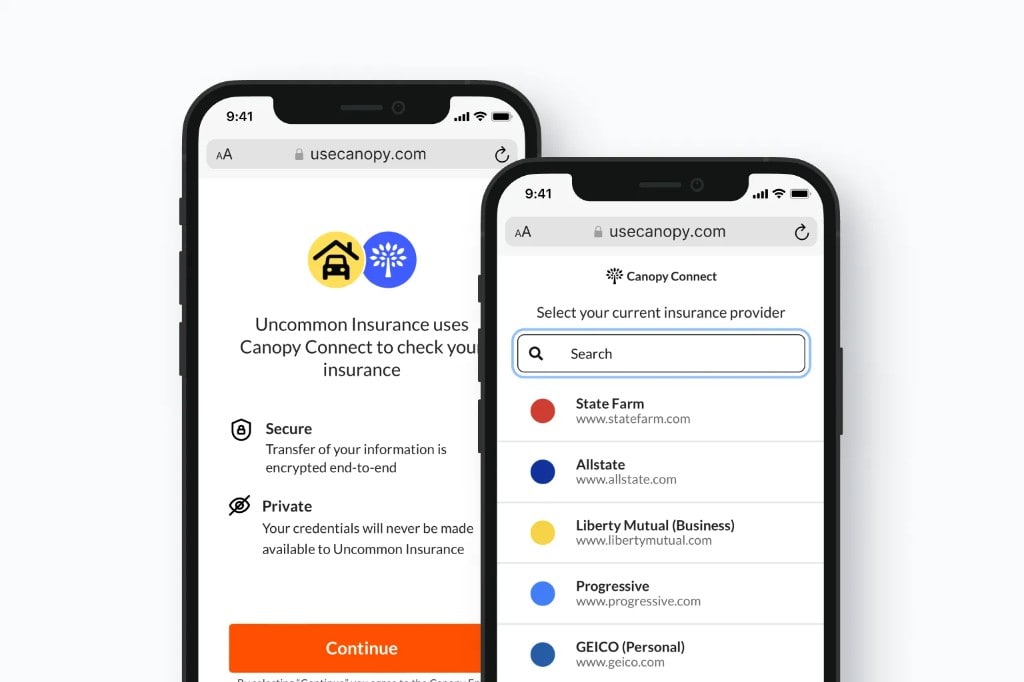
FAQ
About Brad Cummins

Brad Cummins is the founder of Insurance Geek and primary author of its educational content. Licensed since 2004, he brings over 21 years of experience structuring life insurance and IUL strategies for clients nationwide.
Fact checked by Brianna Baiocco

Brianna Baiocco runs P&C operations at Insurance Geek and fact-checks property and casualty content. Licensed since 2009, she brings over 16 years of experience in auto, home, renters, and commercial insurance.