Our editorial team follows strict guidelines to ensure accuracy and objectivity. Learn more about our process.
Collision insurance pays to repair or replace your vehicle when you're in an accident—whether you hit another car, a pothole, a fence, or another object. It's optional in most states, but if you lease or finance your car, your lender will typically require it along with comprehensive coverage.
Unlike liability coverage, which pays for damage you cause to others, collision covers your own vehicle regardless of who is at fault.
What Does Collision Insurance Cover?
Collision typically covers:
- Impact with another vehicle – Whether you're at fault or not
- Impact with a stationary object – Fence, pole, tree, pothole
- Single-vehicle accidents – Rolling over, sliding on ice into an object
Collision does not cover:
- Non-collision damage – Theft, vandalism, hail, fire (that's comprehensive)
- Damage to the other driver's car – That's property damage liability
- Medical expenses – That's bodily injury or PIP
- Wear and tear – Mechanical failures, normal deterioration
How Collision Works: Deductibles and Limits
Collision has its own deductible—typically $250 to $2,500. You pay the deductible first; your insurer pays the rest up to your vehicle's actual cash value. A higher deductible lowers your premium; a lower deductible means less out of pocket when you file a claim.
If your car is totaled, the insurer pays the actual cash value (market value) minus your deductible.
| Deductible | Typical Premium Impact | When You File a Claim |
|---|---|---|
| $250 | Higher premium | Pay $250 first |
| $500 | Moderate premium | Pay $500 first |
| $1,000 | Lower premium | Pay $1,000 first |
| $2,500 | Lowest premium | Pay $2,500 first |
Expert Insight: When collision pays out
Brianna was backing out of a parking spot and didn't see another car approaching. She hit the other vehicle, damaging both cars. Her collision coverage paid to repair her car after she met her $500 deductible.
—Brianna Baiocco
Do I Need Collision Insurance?
Collision makes sense when:
- You lease or finance – Lenders require it
- Your car has significant value – Worth protecting
- You couldn't afford to replace it – Out-of-pocket would be a hardship
You might skip collision if you drive an older, low-value car and can afford to replace it yourself. A common rule of thumb: if your car is worth less than $3,000–$4,000, the premium may exceed the benefit. Having an emergency fund to replace the car out of pocket also makes dropping collision more feasible. But your situation matters—if you need the car to get to work and can't afford to replace it, collision may still be worth it.
Collision vs property damage in an accident
In an accident, collision covers damage to your car; property damage liability covers damage you cause to theirs. If you're at fault, both apply—your collision pays to fix your vehicle (minus your deductible), and your PD pays to fix theirs (up to your limit). If the other driver is at fault, their liability covers your car and you typically don't use your collision.
How Much Does Collision Cost?
Collision is typically more expensive than comprehensive because collision claims are more common. Premiums depend on your vehicle's value, driving history, location, and deductible choice. Expect roughly $200–$500+ per year for collision, depending on these factors.
Whether to carry collision—and what deductible to choose—depends on your vehicle's current value, your emergency fund, and your loan status. A licensed agent can review your policy and help you decide whether your deductible is calibrated to your budget or whether dropping collision makes sense for what your car is worth today.
Don't have time to run a quote? Just send us your policy
Share your current policy declarations pages with us in two clicks. Takes about 30 seconds. We'll review your coverage, find gaps, and compare our carriers to your current policy.
Connect your policy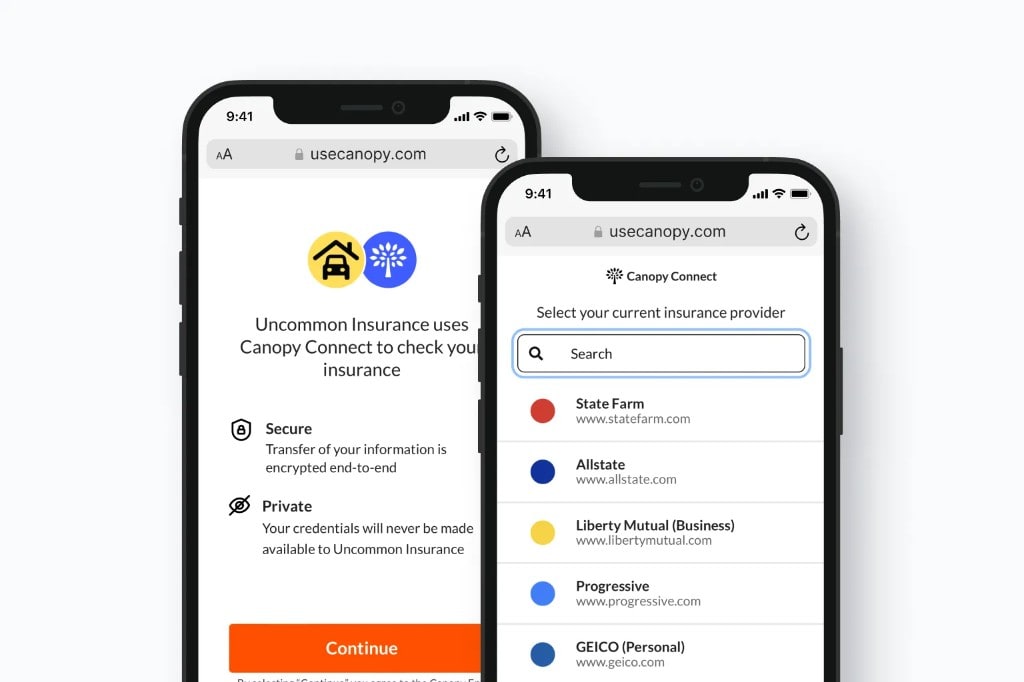
FAQ
About Brad Cummins

Brad Cummins is the founder of Insurance Geek and primary author of its educational content. Licensed since 2004, he brings over 21 years of experience structuring life insurance and IUL strategies for clients nationwide.
Fact checked by Brianna Baiocco

Brianna Baiocco runs P&C operations at Insurance Geek and fact-checks property and casualty content. Licensed since 2009, she brings over 16 years of experience in auto, home, renters, and commercial insurance.