Our editorial team follows strict guidelines to ensure accuracy and objectivity. Learn more about our process.
Comprehensive car insurance covers damage to your vehicle caused by anything other than a collision. While liability and collision handle accidents with other vehicles, comprehensive protects you from a wide range of other risks—theft, vandalism, hail, fire, falling objects, and contact with animals.
Comprehensive is optional in most states, but if you lease or finance your vehicle, your lender will typically require it. Even if you own your car outright, comprehensive is often worth the cost given how affordable it is compared to the protection it provides.
What Does Comprehensive Insurance Cover?
Comprehensive coverage typically includes:
- Theft – If your car is stolen
- Vandalism – Key scratches, broken windows, graffiti
- Fire – Damage from fire or explosion
- Natural disasters – Hail, windstorm, flood, earthquake
- Falling objects – Tree branches, debris
- Contact with animals – Hitting a deer or other animal
- Riot or civil commotion
- Glass damage – When not caused by a collision
Comprehensive does not cover collision damage—hitting another car, a pothole, or a stationary object. For that, you need collision coverage.
Do I Need Comprehensive Insurance?
Comprehensive is not required by law, but it makes sense in many situations:
- Financed or leased vehicle – Lenders almost always require it
- High-value vehicle – Worth protecting from theft and weather
- Area risks – Deer, hail, or theft are common where you live
- Peace of mind – Relatively low cost for broad protection
You might skip comprehensive if you drive an older, low-value car and can afford to replace it out of pocket. In that case, the premium may not be worth the coverage.
How Comprehensive Works: Deductibles and Claims
Comprehensive has its own deductible, separate from collision. You choose the amount—typically $0 to $2,500. A higher deductible lowers your premium; a lower deductible means you pay less out of pocket when you file a claim.
Glass-only claims
Some policies waive the deductible for glass-only claims (e.g. windshield chip or crack) or offer a separate, lower glass deductible. If you have a small crack or chip, ask your insurer about glass coverage before filing—you may get it repaired without paying your full comprehensive deductible.
| Claim Type | Typical Repair Cost | Notes |
|---|---|---|
| Windshield chip/crack | $100–$400 | Some policies waive deductible for glass |
| Deer strike | $2,000–$8,000 | Common in rural areas |
| Hail damage | $1,000–$10,000+ | Can total a car in severe storms |
| Theft | Vehicle value | ACV minus deductible |
| Vandalism | $500–$5,000+ | Key scratches, broken windows |
Expert Insight: When comprehensive pays out
Brianna's car was parked outside overnight. A tree branch fell during a storm and damaged the windshield and hood. She filed a claim under comprehensive coverage. Her insurer covered the damage minus her $500 deductible.
—Brianna Baiocco
How Much Does Comprehensive Cost?
Comprehensive is generally one of the more affordable add-ons—often $100–$300 per year. Premiums depend on your vehicle's value, your location (theft and weather risk), and your chosen deductible. Compared to collision or liability, comprehensive often costs less because non-collision claims are less frequent.
Comprehensive is usually the most affordable part of your auto policy, but the right deductible depends on where you park, your local theft risk, and the weather exposure where you live. A licensed agent can confirm your deductible makes sense for your vehicle's value and review your full policy in minutes.
Don't have time to run a quote? Just send us your policy
Share your current policy declarations pages with us in two clicks. Takes about 30 seconds. We'll review your coverage, find gaps, and compare our carriers to your current policy.
Connect your policy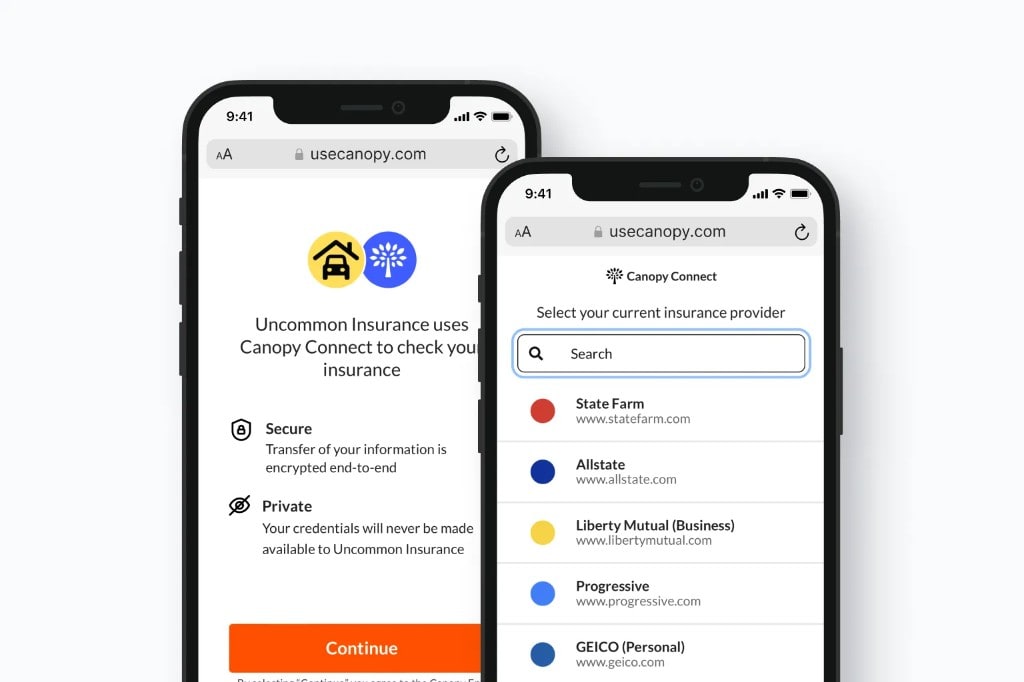
FAQ
About Brad Cummins

Brad Cummins is the founder of Insurance Geek and primary author of its educational content. Licensed since 2004, he brings over 21 years of experience structuring life insurance and IUL strategies for clients nationwide.
Fact checked by Brianna Baiocco

Brianna Baiocco runs P&C operations at Insurance Geek and fact-checks property and casualty content. Licensed since 2009, she brings over 16 years of experience in auto, home, renters, and commercial insurance.