Our editorial team follows strict guidelines to ensure accuracy and objectivity. Learn more about our process.
Property damage liability (PD) pays for damage you cause to someone else's property in an at-fault accident—their car, a fence, a mailbox, a building, or other structures. It's required in every state that mandates auto insurance.
PD does not cover damage to your own vehicle. For that, you need collision coverage.
What Does Property Damage Liability Cover?
PD typically pays for:
- Repair or replacement of the other driver's vehicle – Up to actual cash value or repair cost, whichever is less
- Damage to structures – Fences, mailboxes, guardrails, buildings
- Other property you damage – Storefronts, light poles, landscaping
Your policy pays up to your PD limit per accident. If the damage exceeds your limit, you're personally responsible for the difference.
State Minimum Limits
States set minimum PD limits—often $5,000 to $25,000. California requires $5,000; Texas and many others require $25,000. Check state minimum car insurance limits for your state. Given the cost of modern vehicles (many new cars exceed $30,000), minimums can be insufficient. A single rear-end accident into a newer SUV could easily exceed $25,000 in damage.
| Scenario | Typical Repair Cost |
|---|---|
| Minor bumper damage | $1,500–$3,000 |
| Moderate collision (front or rear) | $5,000–$15,000 |
| Significant damage to newer vehicle | $15,000–$40,000+ |
| Total loss (newer car) | $30,000–$60,000+ |
Many experts recommend at least $50,000 or $100,000 in PD coverage. The cost to increase from $25,000 to $50,000 or $100,000 is often modest—sometimes $20–$50 per year.
Expert Insight: When property damage pays out
Brianna lost control on an icy road and slid into a parked car, then hit a fence. Her property damage liability paid to repair the other vehicle and the fence—up to her policy limit.
—Brianna Baiocco
What Property Damage Does Not Cover
PD covers damage you cause to others' property when you're at fault. It does not cover:
- Your own vehicle – Use collision coverage
- Your injuries or your passengers' injuries – Use bodily injury for others; PIP or Med Pay for you
- Non-collision damage to your car – Theft, hail, etc. That's comprehensive
PD also won't cover damage from intentional acts, racing, or commercial use without proper coverage. Rideshare and delivery driving typically require endorsement or commercial policies—personal auto PD may not apply when you're on the clock.
How Much Does Property Damage Cost?
PD is usually bundled with bodily injury in a combined liability premium. Increasing PD from $25,000 to $50,000 or $100,000 often adds $20–$50 per year. The incremental cost for higher limits is typically low compared to the protection you gain.
Cost drivers
PD premiums depend on your location, driving record, chosen limits, and whether you bundle with home or other policies. Urban areas and drivers with accidents or citations typically pay more. Bundling often reduces the overall premium. Multi-vehicle pileups or damage to a luxury vehicle can easily exceed $50,000—carrying higher PD limits is inexpensive compared to the protection.
Increasing your property damage limit from $25,000 to $50,000 or $100,000 typically costs less than $50 per year—one of the most underpriced upgrades in auto insurance. A licensed agent can review your current limits and help you confirm your PD coverage is adequate for the vehicles you're likely to encounter where you drive.
Don't have time to run a quote? Just send us your policy
Share your current policy declarations pages with us in two clicks. Takes about 30 seconds. We'll review your coverage, find gaps, and compare our carriers to your current policy.
Connect your policy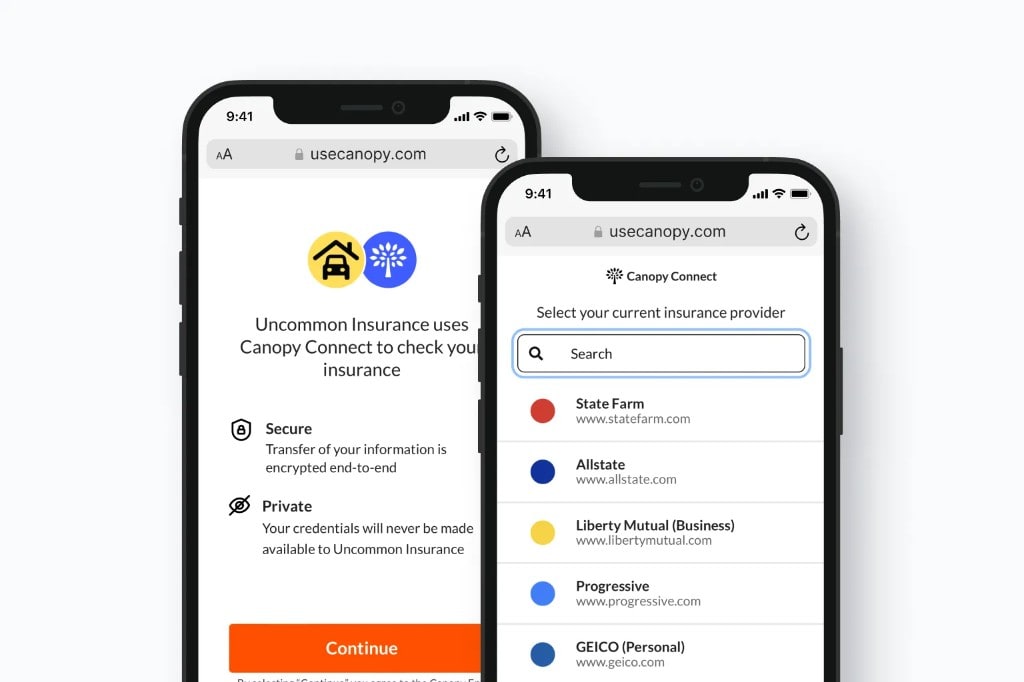
FAQ
About Brad Cummins

Brad Cummins is the founder of Insurance Geek and primary author of its educational content. Licensed since 2004, he brings over 21 years of experience structuring life insurance and IUL strategies for clients nationwide.
Fact checked by Brianna Baiocco

Brianna Baiocco runs P&C operations at Insurance Geek and fact-checks property and casualty content. Licensed since 2009, she brings over 16 years of experience in auto, home, renters, and commercial insurance.