Our editorial team follows strict guidelines to ensure accuracy and objectivity. Learn more about our process.
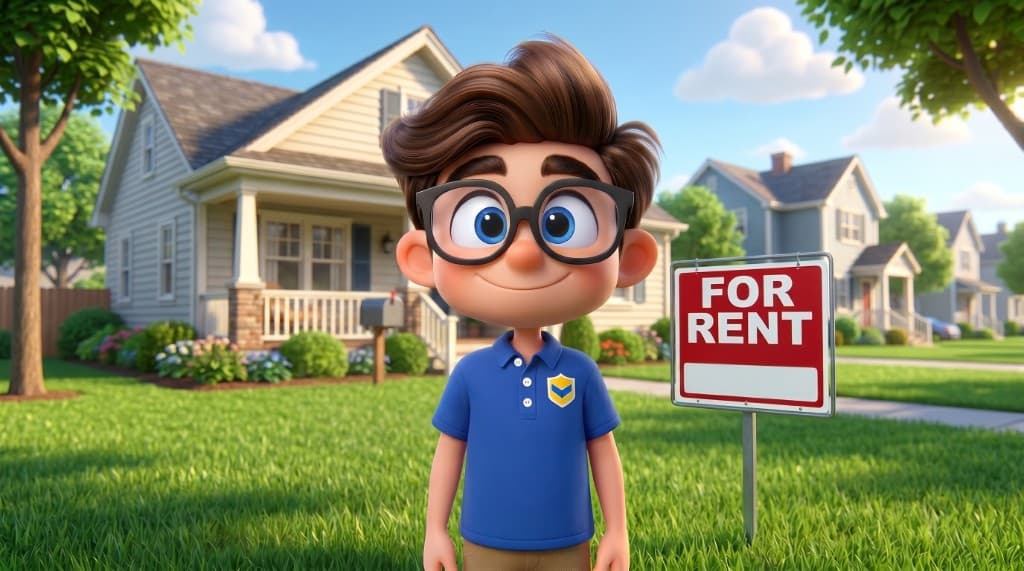
Does homeowners insurance cover rental property? No—not once you rent it out to a tenant. A standard HO-3 is written for a home you occupy as your primary residence. When a paying tenant moves in, the occupancy condition of your policy changes, and most carriers will deny a claim on the grounds that the property was no longer owner-occupied at the time of the loss.
This is not a technicality buried in the fine print. It is a foundational underwriting rule. Carriers price homeowners policies around the behavior and care of an owner-occupant. A rental with a tenant carries different risk—vacancy periods between leases, reduced owner oversight, and liability exposure from a third party living in the building. That is a different product, and it has a different policy form.
As an independent agency, Insurance Geek quotes rental-property coverage through our appointed P&C carriers—Travelers, Nationwide, Liberty Mutual, and Steadily—so you can get the right form for the occupancy before a claim forces the issue.
Key Takeaways
A standard HO-3 homeowners policy is written for owner-occupied homes; it does not cover non-owner-occupied rental property
Renting out a home without updating the policy can result in a denied claim—even for a covered peril like fire or wind
The right policy for a rental you do not occupy is landlord insurance, typically written on a dwelling fire form (DP-3)
Some carriers will allow a short-term occasional rental endorsement on an HO-3; long-term tenants almost always require a separate policy
Your tenant's belongings and personal liability are never covered by your policy—they need their own renters insurance
Why a Standard Homeowners Policy Doesn't Cover Rentals
HO-3 policies include an owner-occupancy condition. The policy assumes you live in the home, maintain it, and are present to notice problems early. When a tenant moves in full-time, that assumption breaks down and the risk profile shifts in ways the carrier has not priced.
Specific conditions that typically void HO-3 coverage on a rental:
- Occupancy change: Most HO-3 policies specify the home must be used as the policyholder's primary residence. A long-term tenant changes this.
- Vacancy clauses: Between tenants, the property may trigger a vacancy exclusion—often 30 to 60 days—voiding coverage for vandalism, glass breakage, and water damage.
- Business use exclusion: Collecting rent is a business activity. Some carriers argue this triggers the business use exclusion on a standard HO-3.
The result is a policy that looks valid on paper but fails at claim time. A fire at a rental property with a long-term tenant is exactly the scenario where a carrier will investigate occupancy before paying.
What Policy You Actually Need
Rental property you own but do not occupy needs landlord insurance—typically written on a dwelling fire policy form such as DP-3.
A landlord policy covers what an HO-3 leaves out for a rental:
- Dwelling: Fire, wind, hail, and other covered perils on the structure—on a form that acknowledges tenant occupancy
- Landlord liability: Legal defense and damages if you are sued as the property owner
- Loss of rental income: Rent you lose while the unit is uninhabitable after a covered loss, when added as an endorsement
- Other structures: Detached garage, fence, shed
Your tenant's belongings are not covered by either your HO-3 or a landlord policy. They need their own renters insurance.
The Short-Term Rental Gray Area
If you occasionally rent your primary home—a weekend on Airbnb while you are out of town—some carriers offer a short-term rental endorsement that extends HO-3 coverage for incidental rental income. This is not the same as a long-term lease.
The moment a tenant has a lease agreement and you have moved out, you are outside the scope of any short-term rental endorsement. The occupancy has changed, and you need a landlord policy. Disclose how the property is used when you bind any coverage—misrepresenting occupancy is the leading cause of denied landlord claims.
When to Make the Switch
If you are converting a primary home into a rental, update your insurance before the lease starts—not after the first claim. The transition looks like this:
- Notify your current carrier before the tenant moves in; ask whether they write landlord policies or whether you need to find a new carrier
- Get a landlord policy quoted — if you already have home and auto with Travelers, Nationwide, or Liberty Mutual, start there; they typically offer landlord coverage to existing customers. If not, Steadily writes monoline and does not require a prior relationship
- Cancel or convert the HO-3 once the landlord policy is in force — do not carry both
- Add a lease requirement for renters insurance — your policy covers the building; your tenant's policy covers their belongings and liability
For a full breakdown of landlord policy forms, carrier options, and what coverage costs, see our landlord insurance guide.
Conclusion
The question "does homeowners insurance cover rental property" has a clean answer: no, not for a property where a tenant holds a lease and the owner no longer lives there. The HO-3 is the wrong form for that risk, and carriers enforce this at claim time.
The fix is straightforward—a landlord insurance policy on a dwelling fire form gets the occupancy right before the first tenant signs a lease. The cost difference between carrying the right policy and the wrong one is minimal. The cost difference between a paid claim and a denied one is not.
At Insurance Geek, we place landlord and rental-property coverage through our appointed P&C carriers—Travelers, Nationwide Landlord Protector, Liberty Mutual, and Steadily—and match the right carrier to your occupancy situation before you bind. If you already carry your primary home with one of the bundling carriers, we add the rental there. If not, Steadily writes the rental standalone.
Don't have time to run a quote? Just send us your policy
Share your current policy declarations pages with us in two clicks. Takes about 30 seconds. We'll review your coverage, find gaps, and compare our carriers to your current policy.
Connect your policy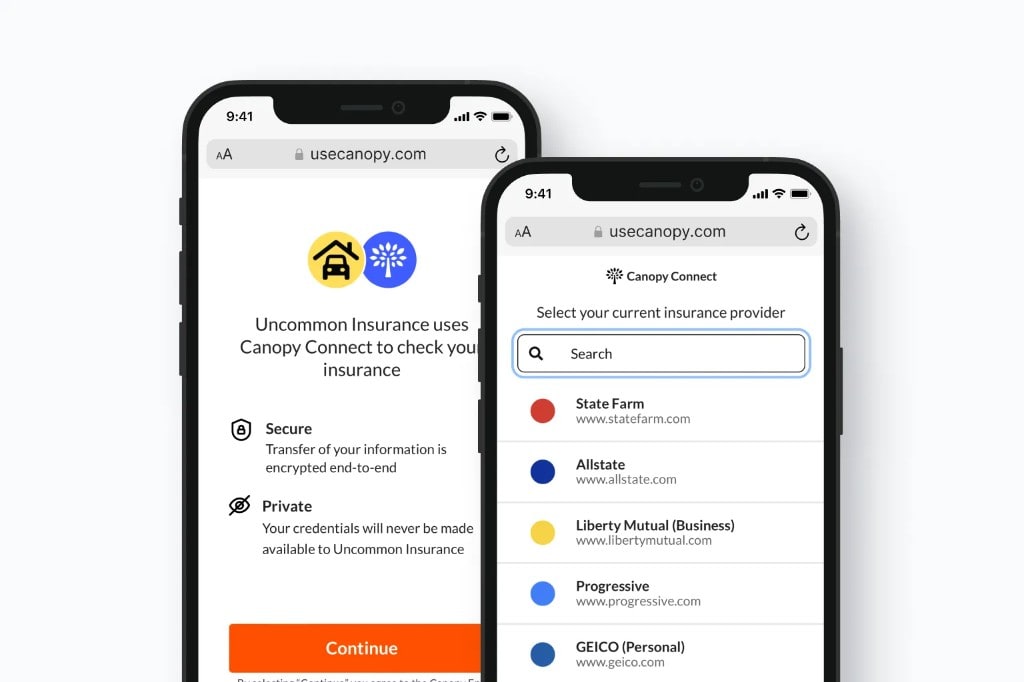
FAQ
About Brad Cummins

Brad Cummins is the founder of Insurance Geek and primary author of its educational content. Licensed since 2004, he brings over 21 years of experience structuring life insurance and IUL strategies for clients nationwide.
Fact checked by Brianna Baiocco

Brianna Baiocco runs P&C operations at Insurance Geek and fact-checks property and casualty content. Licensed since 2009, she brings over 16 years of experience in auto, home, renters, and commercial insurance.