
Our editorial team follows strict guidelines to ensure accuracy and objectivity. Learn more about our process.
Landlord insurance is what protects the rental property you own—the building, your liability as the owner, and the rent you lose if a covered claim makes the unit uninhabitable. Most rental property owners assume their standard homeowners policy still covers the house once a tenant moves in. It usually does not. A standard HO-3 is written for a home you occupy, and carriers treat non-owner-occupied rentals as a different risk entirely.
The policy is built around three problems you face as the owner: physical damage to the structure from fire, storm, or other covered perils; lawsuits tied to the property; and income you lose while the unit is being repaired. It does not cover what your tenant brings in—furniture, electronics, clothing. That is what renters insurance is for, and requiring it in the lease is a separate step.
As an independent agency, Insurance Geek quotes landlord and rental-property coverage through our appointed P&C carriers—Travelers, Nationwide, Liberty Mutual, and Steadily among them—so you can compare real options for your property type and ZIP before you bind.
Key Takeaways
Landlord insurance covers non-owner-occupied rental property you own; a standard HO-3 is for a home you live in
Most landlord policies are written on a dwelling fire form—commonly DP-3—with open perils on the building, liability, and optional loss-of-rents coverage
Your tenant needs their own renters insurance for belongings and personal liability; your policy does not cover their stuff
A single-family long-term rental typically runs $800–$1,500 per year, but state, roof age, and construction drive the real number
Short-term rentals, vacant homes, and multi-unit buildings often need different forms than a standard long-term rental
Some carriers—Travelers, Nationwide, Liberty Mutual—require you to carry your primary home with them before they will write a landlord policy; Steadily writes monoline and is typically the best-priced standalone option
What Is Landlord Insurance?
Landlord insurance is property insurance for a residential building you own and lease to someone else. It is also called rental property insurance or dwelling fire insurance when the policy is written on a DP-1, DP-2, or DP-3 form instead of an HO homeowners form.
If you carry a mortgage on the rental, your lender will almost always require property insurance on the dwelling. Even without a loan, going without coverage means rebuilding out of pocket after a fire or major storm—while also losing the rental income the property generates.
Dwelling Fire Insurance and DP-3 Policies
Dwelling fire insurance is the policy form behind most landlord policies. The industry uses three DP forms:
| Form | Common name | Typical use |
|---|---|---|
| DP-1 | Basic form | Named perils only; less common today |
| DP-2 | Broad form | More named perils than DP-1 |
| DP-3 | Special form | Open perils on the dwelling; most common for long-term rentals |
When agents say dwelling fire insurance for a rental, they usually mean a DP-3 or similar landlord package: open perils on the building (everything except listed exclusions), liability for the owner, and endorsements for loss of rents or optional contents in a furnished unit.
Do not confuse this with dwelling coverage (Coverage A) on an HO-3. That page explains the structure limit inside a homeowners policy you live in. Dwelling fire is a different policy form entirely—for property you rent out.
What Does Landlord Insurance Cover?
Coverage varies by carrier and form, but most landlord policies include:
| Coverage | What it pays for |
|---|---|
| Dwelling | Repair or rebuild the rental house after a covered fire, wind, hail, or similar loss |
| Other structures | Detached garage, fence, shed—often a percentage of the dwelling limit |
| Landlord liability | Legal defense and damages if you are sued over injuries or property damage tied to the rental |
| Medical payments to others | Small medical bills for guests injured on the property, regardless of fault |
| Loss of rental income | Rent you lose while the unit is uninhabitable after a covered loss—when this endorsement is included |
| Optional contents | Landlord-owned appliances or furnishings in a furnished rental—usually limited and optional |
Flood, earthquake, sewer backup, and normal wear and tear are commonly excluded or require endorsements—the same exclusion themes as home insurance perils on owner-occupied policies, but applied to a landlord form.
Which Carriers Write Landlord Insurance
Not every carrier writes landlord policies the same way, and that distinction matters before you start a quote.
Travelers, Nationwide (through its Landlord Protector program), and Liberty Mutual all write landlord coverage—but they typically require you to carry your primary homeowners policy with them first. If you already bundle your home and auto with one of these carriers, adding a landlord policy is usually straightforward and the multi-policy discount applies. If you do not have an existing relationship with them, they may decline the rental standalone.
Steadily is different. It writes monoline landlord insurance—no existing policy required—and is built specifically for non-owner-occupied residential property. For landlords who do not have their primary home with one of the bundling carriers, or who want a purpose-built rental policy priced separately from their personal lines, Steadily is typically the best-priced standalone option we quote.
The right carrier depends on what you already have in place. We quote across our full appointed stack—Travelers, Nationwide Landlord Protector, Liberty Mutual, and Steadily—and match your property to whichever option produces the right form and the best price for your occupancy situation.
Landlord Insurance vs Homeowners vs Renters
Three different parties, three different policies:
| Landlord / dwelling fire | Homeowners (HO-3) | Renters (HO-4) | |
|---|---|---|---|
| Who buys it | Property owner who rents it out | Owner who lives in the home | Tenant |
| Structure | Covered | Covered | Not covered—landlord's responsibility |
| Tenant belongings | Not covered | N/A | Covered |
| Owner liability | Covered | Covered | Tenant's liability only |
| Income / living expenses | Loss of rents (landlord) | Extra living expenses (owner) | Temporary housing (tenant) |
If you live in one unit of a duplex and rent the other, you may need a modified homeowners policy or a separate landlord policy on the rented unit—do not assume a standard HO-3 covers both sides. That is one of the most common underwriting mistakes on owner-occupied rentals.
How Much Does Landlord Insurance Cost?
Landlord insurance typically runs $800–$1,500 per year for a single-family long-term rental with a $200,000–$300,000 dwelling limit. Coastal wind zones, wildfire areas, and older roofs push costs higher; inland markets with newer construction land lower.
Landlord policies are usually 15–25% more than a comparable owner-occupied HO-3 on the same house because vacant-period risk, tenant turnover, and liability exposure are priced differently. A $1,200 homeowners premium on a property you live in might translate to roughly $1,400–$1,500 on the same building once it becomes a rental—but your ZIP and carrier matter more than any rule of thumb.
For a full breakdown of landlord insurance cost by property profile, see landlord insurance cost. For primary-residence pricing context, see homeowners insurance cost.
Own a rental property? See what you'd pay.
Start a home insurance quote—we'll match landlord and rental-property options from our appointed carriers to your address and property type.
Don't have time to run a quote? Just send us your policy
Share your current policy declarations pages with us in two clicks. Takes about 30 seconds. We'll review your coverage, find gaps, and compare our carriers to your current policy.
Connect your policy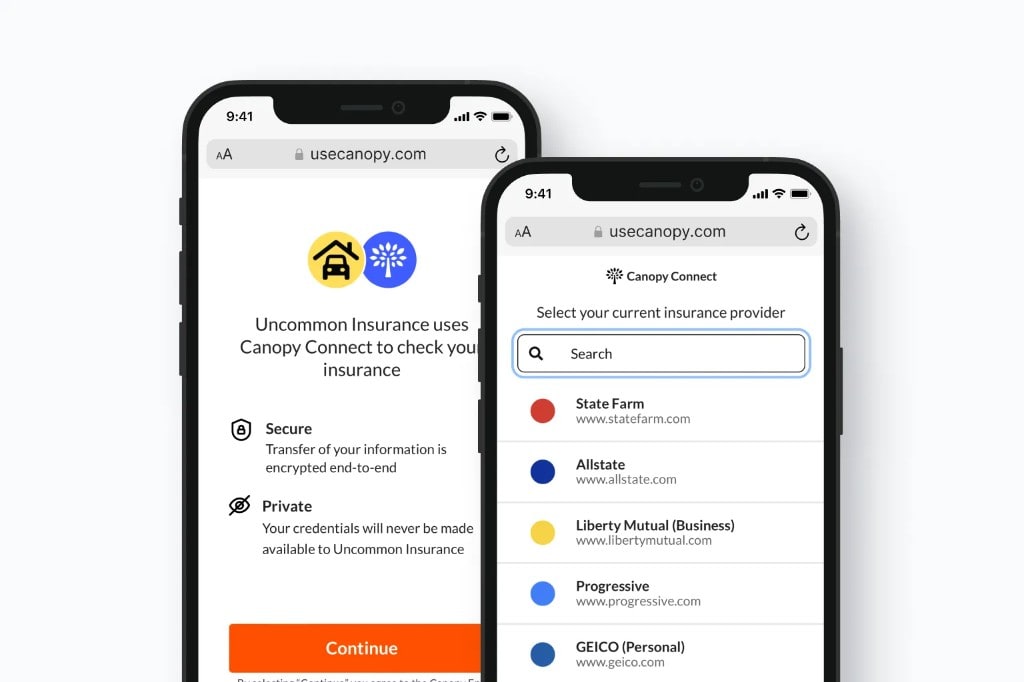
Who Landlord Insurance Is For—and Who It Is Not
Landlord insurance is the right product if you own a residential property you lease to others for long-term rent: a house, townhouse, or condo you do not occupy.
It is not the right product if:
- You live in the home as your primary residence—use homeowners insurance instead
- You are the tenant—you need renters insurance, not a landlord policy
- The property sits vacant for an extended period—standard landlord policies often restrict or exclude vacancy; you may need a vacant-dwelling endorsement or a specialty market
- You run a short-term rental (Airbnb-style)—many landlord forms restrict or exclude short-term use; disclose how the property is rented before you bind
- You want to cover your tenant's belongings—require renters insurance in the lease instead
Being honest about occupancy and lease length at application is not optional. Misrepresenting how the property is used is the most reliable way to have a claim denied.
Expert Tip: The mistake that voids coverage on rentals
The rental claim that goes sideways is almost never about the peril—it's about occupancy. An owner tells us the house is rented, but the application still shows primary residence because they never updated the policy after moving out. Carriers deny those claims. Before you bind landlord or dwelling fire coverage, make sure occupancy, lease term, and who's living there match what you told the underwriter.
—Brad Cummins, Insurance Geek Founder
How to Get Landlord Insurance
The process matches other property lines we quote:
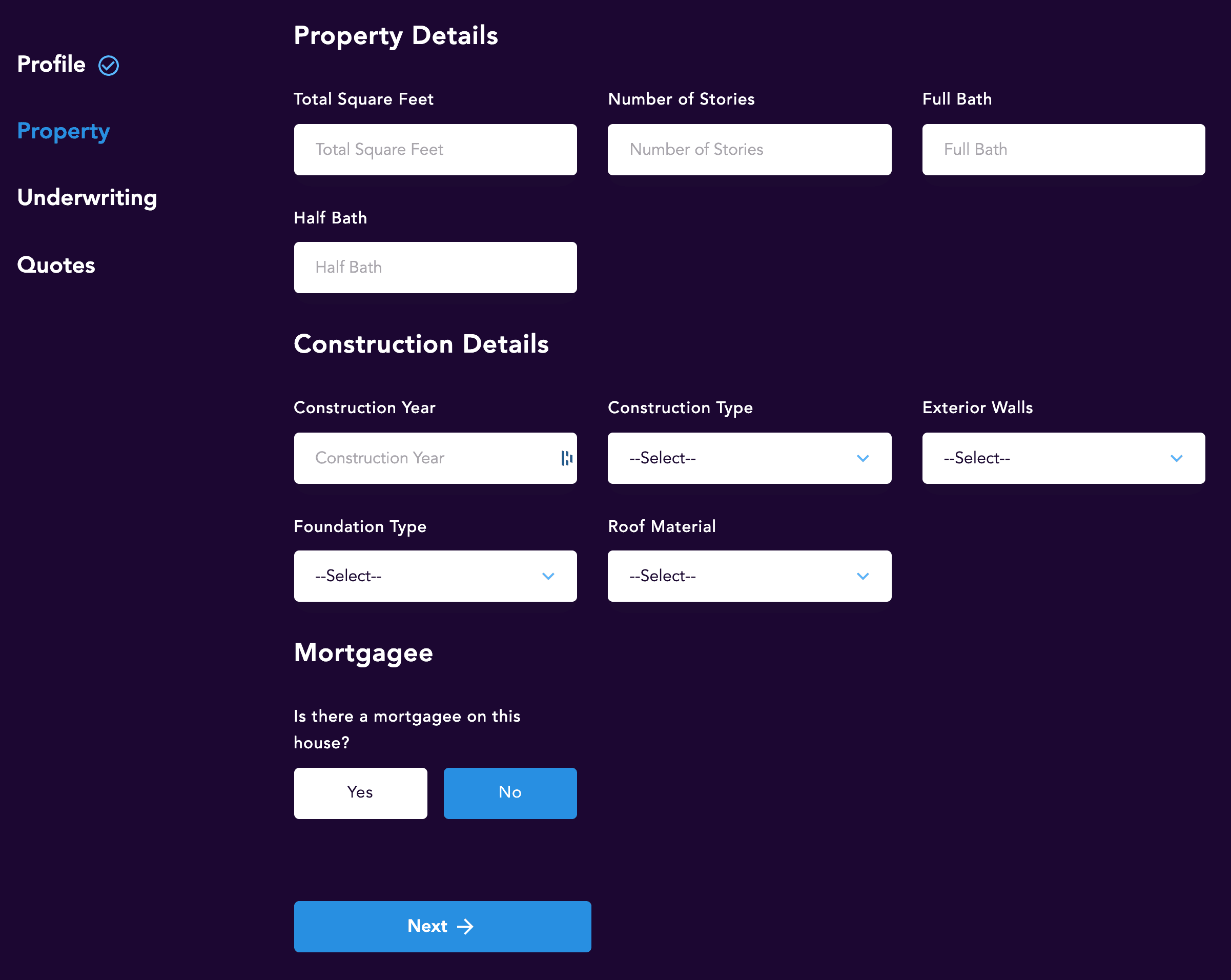
- Gather the property details — rental address, year built, roof age, occupancy type, and current lease term
- Set the dwelling limit at rebuild cost — not purchase price, not market value; what it costs to reconstruct the structure today
- Choose loss-of-rents and liability limits — loss-of-rents coverage is often an endorsement; pick liability that covers your real exposure, not just the minimum
- Review carrier options — if you already carry your primary home with Travelers, Nationwide, or Liberty Mutual, adding a landlord policy there usually produces the best bundled price; if not, Steadily writes the rental standalone and is typically well-priced
- Bind and require renters insurance from tenants — your policy covers the building; your tenant's renters policy covers their belongings and liability
Bundling landlord insurance with your auto insurance or an owner-occupied home policy can save about 20% with carriers we quote when multi-policy discounts apply.
Conclusion
The decision most rental property owners get wrong is not which carrier to choose—it is which policy form. Using an HO-3 on a house you no longer live in is one of the fastest ways to have a fire claim denied. The form matters as much as the limits, and dwelling fire policies written for rental occupancy exist precisely because the risk profile is different once a tenant is in the building.
If you are converting a former primary home into a rental, do not leave an HO-3 in force and hope it still applies. Get the property re-rated as non-owner-occupied before the first lease starts—and make renters insurance a lease requirement so the coverage gap between your policy and your tenant's belongings is closed from day one.
That is what we do at Insurance Geek. As an independent agency, we place landlord and rental-property coverage through our appointed P&C carriers—Travelers, Nationwide Landlord Protector, Liberty Mutual, and Steadily—and the answer depends on what you already carry. If your primary home is already with one of the bundling carriers, we add the rental there. If not, Steadily is the monoline option we go to, purpose-built for rental property and typically the best-priced standalone. You see real numbers for your address and occupancy before you bind.
If you own a rental and want to know what the right form and the right limits actually cost for your property, start a quote below.
Don't have time to run a quote? Just send us your policy
Share your current policy declarations pages with us in two clicks. Takes about 30 seconds. We'll review your coverage, find gaps, and compare our carriers to your current policy.
Connect your policyFAQ
About Brad Cummins

Brad Cummins is the founder of Insurance Geek and primary author of its educational content. Licensed since 2004, he brings over 21 years of experience structuring life insurance and IUL strategies for clients nationwide.
Fact checked by Brianna Baiocco

Brianna Baiocco runs P&C operations at Insurance Geek and fact-checks property and casualty content. Licensed since 2009, she brings over 16 years of experience in auto, home, renters, and commercial insurance.