
Our editorial team follows strict guidelines to ensure accuracy and objectivity. Learn more about our process.
Personal liability insurance (Coverage E) is the part of your homeowners insurance policy that pays when you’re legally responsible for someone’s bodily injury or property damage. It covers claims, lawsuits, and defense costs up to your policy limit. Coverage often applies both on and off your property—and can be extended with an umbrella policy.
Key Takeaways
- Coverage E pays for bodily injury and property damage you’re liable for, plus defense costs
- It applies to incidents on and off your property (e.g. injury at home, damage caused elsewhere)
- Most policies offer $100,000–$300,000; many agents recommend $300,000+ for households with assets
- Umbrella policies add $1M+ of excess liability for relatively low cost
- Medical payments (Coverage F) is separate—small amounts, no fault required; see coverages overview
Your dwelling and personal property coverages protect your own home and belongings; liability protects you when you’re responsible for harming others.
What does homeowners liability insurance cover?
Coverage E pays when you or a household member are found legally responsible for:
- Bodily injury – A guest slips on your stairs, your dog bites someone, or someone is hurt on your property
- Property damage – Your child hits a ball through a neighbor’s window; you accidentally damage someone else’s property
The policy typically covers legal defense, court costs, and judgments up to the limit. Even if a claim is unfounded, defense costs can add up—liability coverage helps.
How much homeowners liability insurance do I need?
Many carriers recommend $300,000 or more. If you have significant assets, a pool, trampoline, or dog (some breeds have higher risk), consider higher limits or an umbrella policy. Umbrellas add $1 million or more of excess liability and usually cost a few hundred dollars per year.
Typical claim ranges
| Scenario | Typical range | Why $300k+ helps |
|---|---|---|
| Slip-and-fall (broken bone) | $15,000–$50,000+ | Medical, lost wages, pain and suffering |
| Dog bite | $30,000–$50,000+ | Medical, scar revision, sometimes more |
| Pool accident | $100,000+ | Severe injuries; lawsuits common |
When to add an umbrella
Consider an umbrella policy when you have substantial net worth, a pool or trampoline, a dog (some breeds carry higher risk), or rental properties. Umbrellas typically add $1 million or more of coverage for a few hundred dollars per year and sit above your auto and home liability limits. They kick in when a claim exceeds your base policy.
What liability excludes
Coverage E does not cover:
- Intentional acts – Damage or injury you cause on purpose
- Business activities – Use a commercial policy
- Auto accidents – Covered by auto insurance liability
- Workers in your home – Nannies, housekeepers; workers comp applies
Medical payments (Coverage F)
Medical payments to others (Coverage F) is separate from liability. It pays small medical bills (often $1,000–$5,000) for minor injuries to guests—no fault or lawsuit required. It’s goodwill coverage. Liability (Coverage E) handles larger claims and lawsuits.
Where liability applies
Coverage E typically applies to incidents on your property (slips, dog bites, pool accidents) and often away from home (e.g. you cause injury or damage elsewhere). Auto accidents use your auto insurance liability, not homeowners. Business-related liability is usually excluded; you need commercial coverage.
Expert Insight: When liability coverage pays out
A guest slipped on Brianna's icy front steps and broke their wrist. The guest's medical bills and a settlement exceeded medical payments limits. Her homeowners liability coverage paid for the claim and defense costs—up to her policy limit.
—Brianna Baiocco
Tools & savings
Compare premiums and limits with the home insurance calculator. Bundling home with auto can lower your rate.
Whether $100,000 or $300,000 is the right Coverage E limit — or whether an umbrella makes sense — depends on your net worth, your home's features, and your specific risk profile. A licensed agent can review your current liability limit and help you decide whether the incremental cost of higher limits or an umbrella policy is worth the added protection.
Don't have time to run a quote? Just send us your policy
Share your current policy declarations pages with us in two clicks. Takes about 30 seconds. We'll review your coverage, find gaps, and compare our carriers to your current policy.
Connect your policy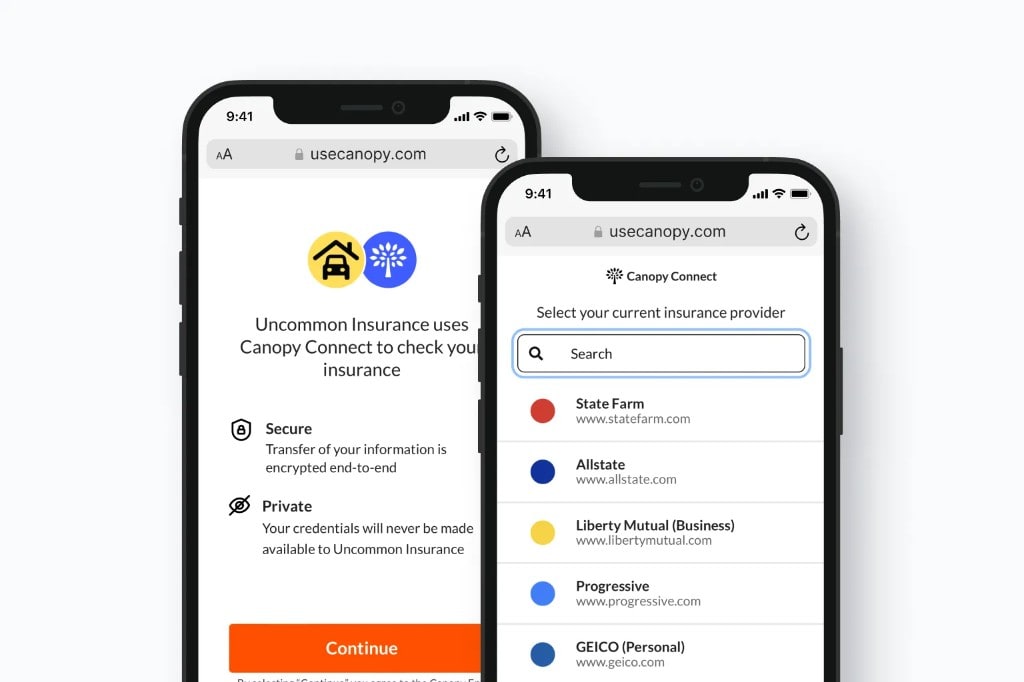
FAQ
About Brad Cummins

Brad Cummins is the founder of Insurance Geek and primary author of its educational content. Licensed since 2004, he brings over 21 years of experience structuring life insurance and IUL strategies for clients nationwide.
Fact checked by Brianna Baiocco

Brianna Baiocco runs P&C operations at Insurance Geek and fact-checks property and casualty content. Licensed since 2009, she brings over 16 years of experience in auto, home, renters, and commercial insurance.