
Our editorial team follows strict guidelines to ensure accuracy and objectivity. Learn more about our process.
Personal property coverage (Coverage C) is the part of your homeowners insurance policy that pays to repair or replace your belongings—furniture, electronics, clothing, appliances—when they’re damaged or stolen by a covered peril. Limits are usually a percentage of your dwelling limit, and high-value categories have sublimits.
Key Takeaways
- Coverage C pays for your belongings up to the policy limit when damaged by named or open perils
- Sublimits cap payouts for jewelry, guns, cash, and some electronics—schedule high-value items for full coverage
- Off-premises coverage often applies when belongings are stolen or damaged away from home
- Claims may be paid at actual cash value (ACV) or replacement cost (RCV); see ACV vs replacement cost
- Do a home inventory and review limits after big purchases or as part of the coverages overview
What does Coverage C cover on homeowners insurance?
Coverage C covers personal property inside and often outside the home. Covered items include furniture, appliances, electronics, clothing, dishes, sporting goods, and similar belongings. Damage must be caused by a covered peril—fire, theft, vandalism, wind, hail, and others listed in your policy. Home insurance perils explains named vs open peril.
Lost or misplaced items are not covered; only damage or theft from a covered event counts.
Sublimits and scheduling
Even with adequate total personal property limits, sublimits cap payouts for certain categories. If you own items worth more than these limits, add scheduled personal property (a separate endorsement) for full value.
Sublimits by category
| Category | Typical limit per occurrence |
|---|---|
| Jewelry, watches, furs | $1,000–$2,500 |
| Silverware, goldware | $2,500–$5,000 |
| Guns | $1,000–$2,500 |
| Cash, coins, precious metals | $200–$500 |
| Electronics (some policies) | May have caps |
Scheduling high-value items
Scheduled personal property lets you itemize high-value pieces—engagement rings, art, collectibles—and insure them for an agreed amount. You typically provide a receipt or appraisal; the insurer adds them to your policy for a small premium. Scheduling overrides sublimits, so you receive full value (up to the scheduled amount) if the item is damaged or stolen. A home inventory helps you spot what to schedule.
Off-premises coverage
Most policies extend personal property coverage off-premises—for example, theft from a car or damage while traveling. Limits and terms vary. Check your policy or ask your agent about restrictions.
Actual cash value vs replacement cost
How much you receive on a claim depends on whether the policy pays ACV or RCV. ACV subtracts depreciation; RCV pays what it costs to replace with a similar new item. Many carriers offer replacement cost for contents for a modest premium increase.
Expert Insight: When personal property coverage pays out
Brianna had a kitchen fire that damaged her cabinets, appliances, and dishes. She filed a claim under personal property coverage. Because she had replacement cost for contents, she received enough to buy new items—not the depreciated value—minus her deductible.
—Brianna Baiocco
Tools & savings
Estimate limits and compare quotes with the home insurance calculator. Bundling home with auto or other policies often lowers your rate.
Sublimits are one of the most common surprises at claim time — a jewelry collection or high-end electronics setup can exceed standard caps quickly. A home inventory and a policy review with a licensed agent will show you which items need to be scheduled and whether your total Coverage C limit reflects what your belongings are actually worth today.
Don't have time to run a quote? Just send us your policy
Share your current policy declarations pages with us in two clicks. Takes about 30 seconds. We'll review your coverage, find gaps, and compare our carriers to your current policy.
Connect your policy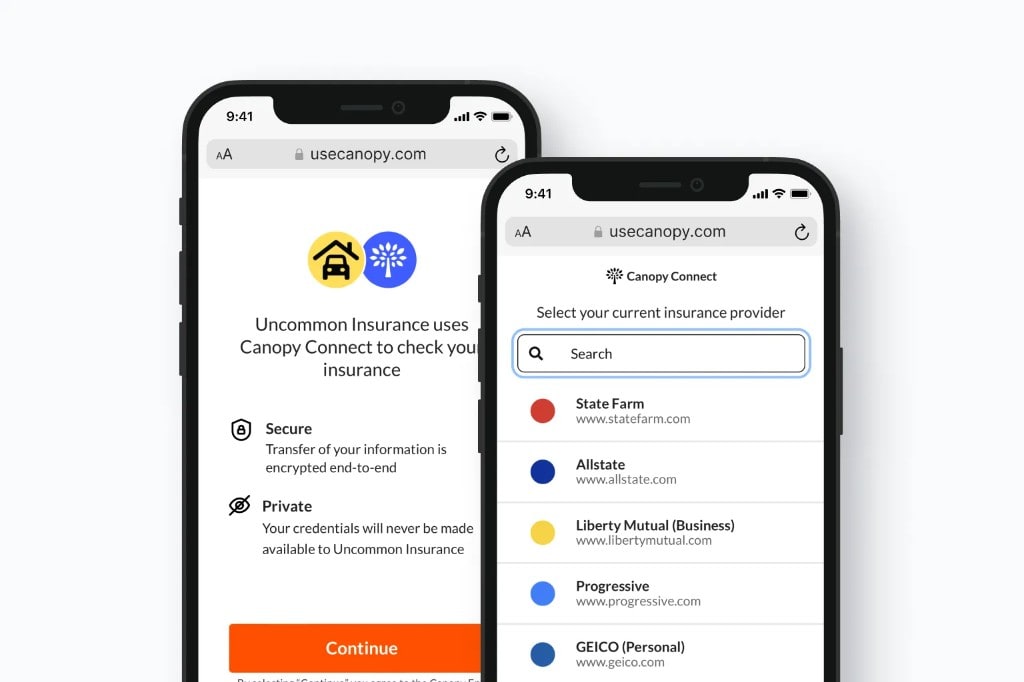
FAQ
About Brad Cummins

Brad Cummins is the founder of Insurance Geek and primary author of its educational content. Licensed since 2004, he brings over 21 years of experience structuring life insurance and IUL strategies for clients nationwide.
Fact checked by Brianna Baiocco

Brianna Baiocco runs P&C operations at Insurance Geek and fact-checks property and casualty content. Licensed since 2009, she brings over 16 years of experience in auto, home, renters, and commercial insurance.