
Our editorial team follows strict guidelines to ensure accuracy and objectivity. Learn more about our process.
Loss of use coverage (Coverage D), also called additional living expenses (ALE), is part of your homeowners insurance policy. It pays for the extra costs of living elsewhere when your home is uninhabitable because of a covered peril—fire, wind, hail, etc. It covers hotel stays, meals above your normal spending, moving and storage, and similar expenses.
Key Takeaways
- Coverage D pays additional living expenses—the increment over what you’d normally spend
- Your home must be uninhabitable due to a covered peril; home insurance perils explains what qualifies
- The limit is often 20–30% of your dwelling limit; carriers vary
- Keep receipts; insurers use them to verify claims
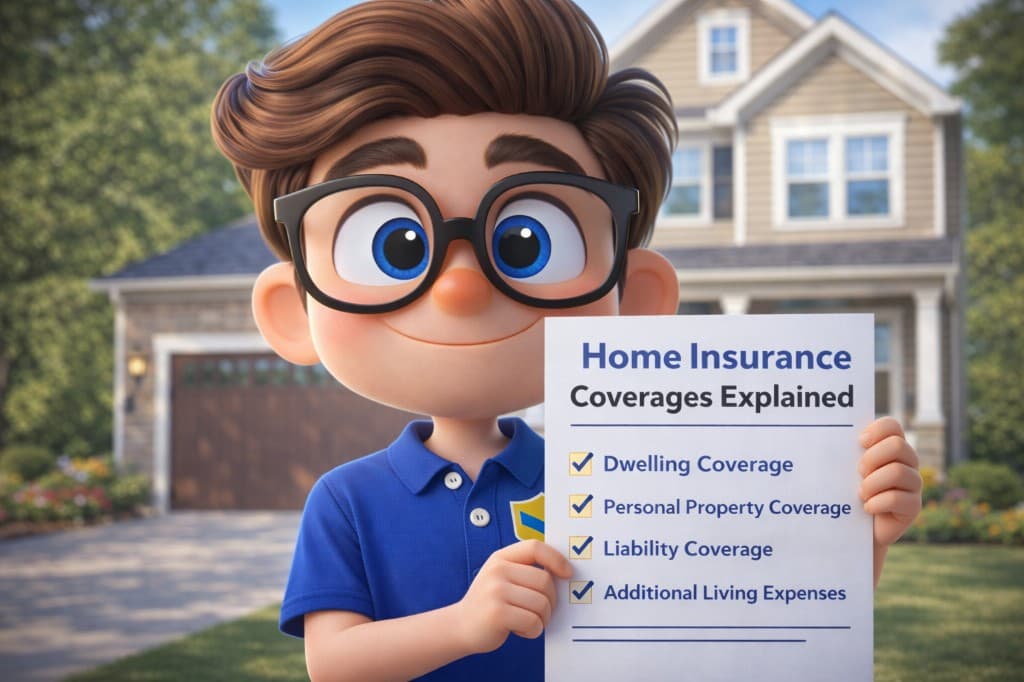
- See the coverages overview for how ALE fits with dwelling and personal property
What is additional living expenses coverage?
ALE covers costs you wouldn’t incur if you could still live at home. Common expenses include:
- Temporary housing – Hotel, short-term rental, or apartment while your home is repaired
- Extra meals – Restaurant and grocery costs above your usual spending
- Moving and storage – Moving household items to a temporary location
- Laundry, pet boarding, extra mileage – Other expenses that exceed your normal budget
The policy pays the increment—the difference between your temporary costs and what you’d typically pay. It does not cover your normal mortgage or utilities on the damaged home; those continue.
Loss of use limit: percentage of dwelling
The ALE limit is typically expressed as a percentage of your dwelling coverage—often 20–30%, depending on the carrier and policy. If your dwelling limit is $400,000 and ALE is 25%, your loss-of-use limit is $100,000. Policy terms and time limits vary; check your declarations.
Expert Insight: When loss of use coverage pays out
Brianna's home was damaged by a fire and was uninhabitable for six weeks during repairs. She stayed in a hotel and ate out more than usual. Her loss of use coverage reimbursed the extra housing and meal costs—above her normal expenses—up to her ALE limit.
—Brianna Baiocco
Covered peril required
Loss of use only applies when the home is uninhabitable due to a covered peril. Flood and earthquake damage usually aren’t covered unless you have separate policies. Dwelling coverage pays to repair the structure; ALE pays for you to live elsewhere during repairs.
Receipts and duration
Carriers typically require receipts for housing, meals, and other claimed expenses. Save hotel bills, restaurant and grocery receipts, pet boarding invoices, and mileage logs for an alternate commute. The coverage lasts until your home is repaired or rebuilt, or until the limit is reached—whichever comes first.
Time and expense caps
Most policies cap loss of use at 12–24 months, though some allow longer. A few policies also cap the amount payable per day or per month. Check your declarations page for time limits and any per-period caps.
What doesn't qualify
ALE does not cover:
- Cosmetic or voluntary repairs – You chose to relocate while minor work was done
- Voluntary relocation – You moved for convenience, not because the home was uninhabitable
- Flood or earthquake – Unless you have separate policies that include ALE
Fair rental value (optional)
If you rent out part of your home, some policies offer fair rental value—lost rent when tenants can’t occupy the property during repairs. This is often separate from or in addition to ALE. Ask your agent if it applies.
Tools & savings
Estimate limits with the home insurance calculator. Bundling home with auto or other policies often saves money.
Whether a 20–30% ALE limit is actually enough depends on rental market rates in your area — in high-cost markets, hotel and short-term rental costs during a major repair can exhaust a standard Coverage D limit well before your home is ready. A licensed agent can confirm your ALE percentage and help you decide whether a higher limit or extended time cap makes sense for where you live.
Don't have time to run a quote? Just send us your policy
Share your current policy declarations pages with us in two clicks. Takes about 30 seconds. We'll review your coverage, find gaps, and compare our carriers to your current policy.
Connect your policy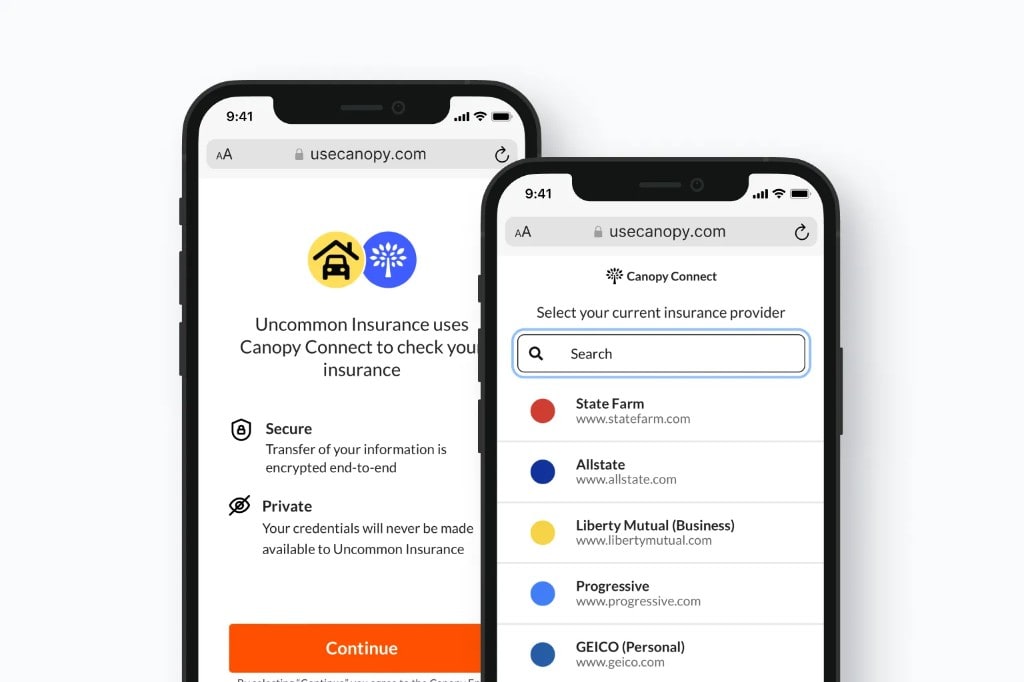
FAQ
About Brad Cummins

Brad Cummins is the founder of Insurance Geek and primary author of its educational content. Licensed since 2004, he brings over 21 years of experience structuring life insurance and IUL strategies for clients nationwide.
Fact checked by Brianna Baiocco

Brianna Baiocco runs P&C operations at Insurance Geek and fact-checks property and casualty content. Licensed since 2009, she brings over 16 years of experience in auto, home, renters, and commercial insurance.