
Our editorial team follows strict guidelines to ensure accuracy and objectivity. Learn more about our process.
New Hampshire renters insurance costs $14-17 monthly for most renters, protecting your belongings from winter storms, theft, and liability claims. Whether you're in Manchester, Concord, or coastal communities like Portsmouth and Hampton, coverage is affordable and often required by landlords.
At Insurance Geek, you can get real quotes and bind coverage today through our direct partnerships with Assurant, SafeCo, Nationwide, and Progressive. No lead generation runaround—actual coverage you can start immediately.
How Much Does Renters Insurance Cost in New Hampshire?
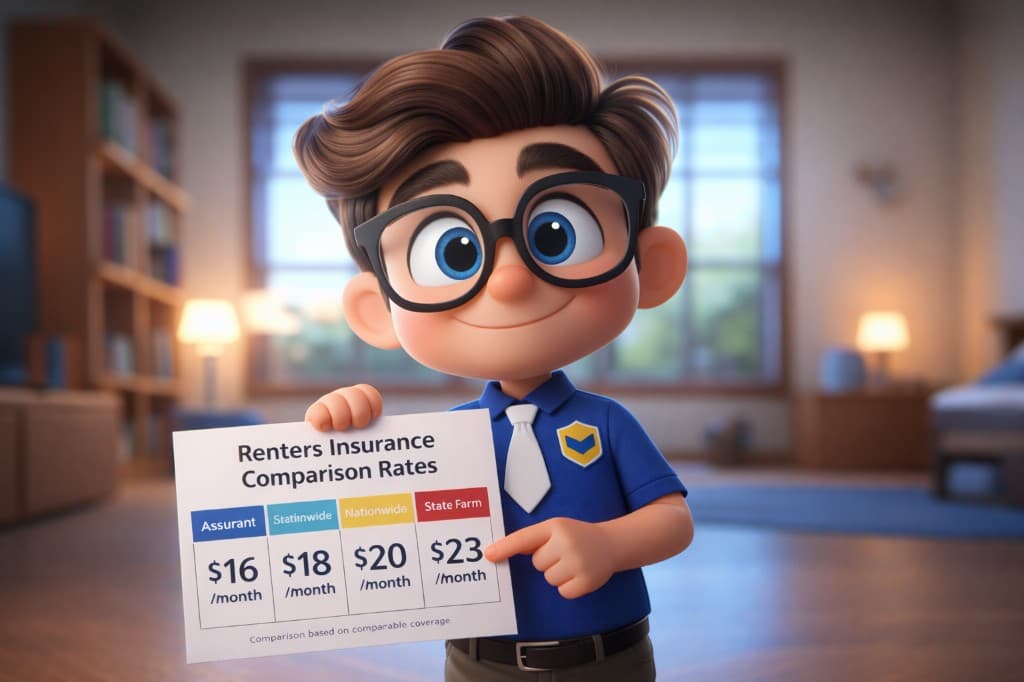
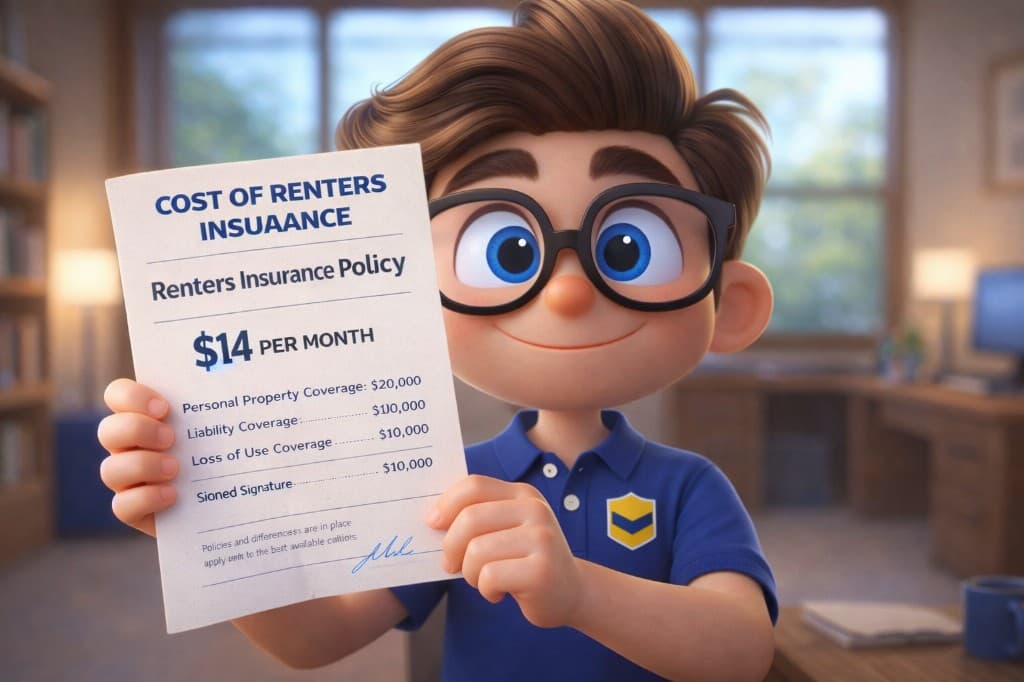
Renters insurance in New Hampshire averages $14-17 per month, making it one of the most affordable states nationwide. You'll pay roughly $160-206 annually for a standard policy covering $40,000 in personal property and $300,000 in liability protection.
Costs vary significantly by location. Concord has the cheapest rates at around $16 monthly, while coastal Hampton sees rates up to $24 per month due to hurricane and nor'easter risks. Manchester and Nashua fall in the middle range at $17-18 monthly.
Portsmouth and other seacoast communities typically pay higher premiums because of storm exposure. Meanwhile, inland areas like Keene and Lebanon enjoy lower rates with fewer weather-related claims.
Four key factors impact your New Hampshire renters insurance rate:
- Location: Coastal areas and high-crime neighborhoods cost more than inland, rural communities
- Coverage amount: Higher personal property limits increase premiums, but the difference between $25,000 and $50,000 is only about $30 annually
- Deductible: Choosing $1,000 over $500 lowers your monthly cost but increases out-of-pocket expenses during claims
- Credit history: New Hampshire insurers use credit-based insurance scores to set rates, and good credit can save you significantly
What Does New Hampshire Renters Insurance Cover?
A standard New Hampshire renters insurance policy protects you financially in three key ways.
Your Belongings
Personal property coverage replaces your furniture, electronics, clothing, and other possessions if they're damaged by fire, theft, vandalism, or covered weather events. This protection extends beyond your apartment—if your laptop is stolen from your car or your luggage disappears during travel, you're covered up to your policy limits.
Liability Protection
Liability coverage protects you if someone gets injured in your apartment or you accidentally damage someone else's property. If your bathtub overflows and damages the unit below, or a guest trips and breaks their wrist at your place, your policy covers legal costs and damages up to your coverage limit, typically $100,000 or more.
Temporary Housing
Loss of use coverage pays for hotel stays, meals, and other living expenses if your apartment becomes uninhabitable due to a covered loss. When a fire or major water damage forces you out, this coverage bridges the gap until you can move back in or find new housing.
New Hampshire Weather Risks
New Hampshire's seasonal extremes create specific coverage needs. Your policy protects against damage from winter storms, heavy snow, frozen burst pipes, and wind damage from nor'easters. These events are particularly common along the coast and in mountain regions.
Standard renters insurance coverage doesn't include flood protection. If the Merrimack River overflows or coastal storm surge enters your rental, you'll need separate flood insurance through the National Flood Insurance Program. This is especially important for ground-floor apartments and properties near water.
How to Buy Renters Insurance in New Hampshire
Getting renters insurance in New Hampshire takes just a few simple steps.
First, calculate your coverage needs by inventorying your belongings. Add up the value of your furniture, electronics, clothing, and other possessions. Most New Hampshire renters need $25,000-40,000 in personal property coverage, but expensive items like jewelry or electronics might require additional riders.
Choose your deductible based on what you can afford to pay out-of-pocket during a claim. A $500 deductible means lower upfront costs but higher premiums, while $1,000 saves money monthly but requires more cash if you file a claim.
Consider bundling with auto insurance for significant discounts. Most carriers offer 15-25% off when you combine policies, often making your renters coverage nearly free after the auto discount.
Look for additional discounts on security features, smoke detectors, claims-free history, and paying annually instead of monthly. These small savings add up quickly. Our guide on how to buy renters insurance covers the complete process in detail.
Do You Need Renters Insurance in New Hampshire?
New Hampshire law doesn't require renters insurance, but many landlords mandate it as a lease condition. Check your rental agreement—72% of New Hampshire landlords require tenants to carry coverage before moving in.
Even when not required, renters insurance provides valuable protection. For less than $1 per day, you get coverage for thousands of dollars in belongings plus liability protection against lawsuits.
New Hampshire's winter storms pose real financial risks. When burst pipes flood your apartment or heavy snow damages your roof, causing leaks, you'll be grateful for coverage. Coastal residents face additional hurricane and nor'easter risks that can destroy belongings without warning.
Theft is another consideration. While New Hampshire has relatively low crime rates compared to other states, break-ins still happen. Replacing a stolen laptop, TV, and jewelry out-of-pocket could cost $5,000 or more—far exceeding annual insurance premiums.
Get a New Hampshire renters insurance quote fast
Ready to see your New Hampshire renters insurance price? Run your quote online and get covered in minutes.
Get renters insurance in under 2 minutes
See your price, choose coverage, and download proof instantly. Get your policy now.

Frequently Asked Questions
About Brad Cummins

Brad Cummins is the founder of Insurance Geek and primary author of its educational content. Licensed since 2004, he brings over 21 years of experience structuring life insurance and IUL strategies for clients nationwide.
Fact checked by Brianna Baiocco

Brianna Baiocco runs P&C operations at Insurance Geek and fact-checks property and casualty content. Licensed since 2009, she brings over 16 years of experience in auto, home, renters, and commercial insurance.